Sugar Maple (Acer saccharum)
May 2, 2020 | PLANT SPOTLIGHT

Spotlight plant: Sugar Maple (Acer saccharum). Sugar Maples are deciduous trees, growing to a typical height of 60-75 feet tall, with the potential to reach up to 120 feet. Branches are opposite, with an upright to oval habit and dense foliage.
Family: Sapindaceae – Soapberry Family
Flowers: Small, inconspicuous greenish pendulous flowers, bloom before the leaves are out.
Fruit: Samaras (winged fruit), mature in fall.
Fall Foliage: There is much variation in color, with leaves turning yellow, burnt orange and red.
Ecological Value: Sugar Maples are an important component of Northeastern forests, ranging from Quebec to Minnesota, to Iowa and Virginia. Early copious blooms are important for pollinators, as few plants are flowering at this time. Important habitat value for numerous songbirds.
Cultural Uses: Native Americans tapped maple trees to obtain sap in spring and make maple sugar. This practice continues today. It is an ornamental plant used in gardens and landscapes. It also is used for lumber and wood working.
Scientific Name: Acer saccharum.
Favorite Garden Cultivars: ‘Green Mountain.’
Location in Pittsburgh Botanic Garden: There is a large specimen in the Peirce Celebration Garden; others are found in Maple Court and throughout the wooded areas of the Garden.
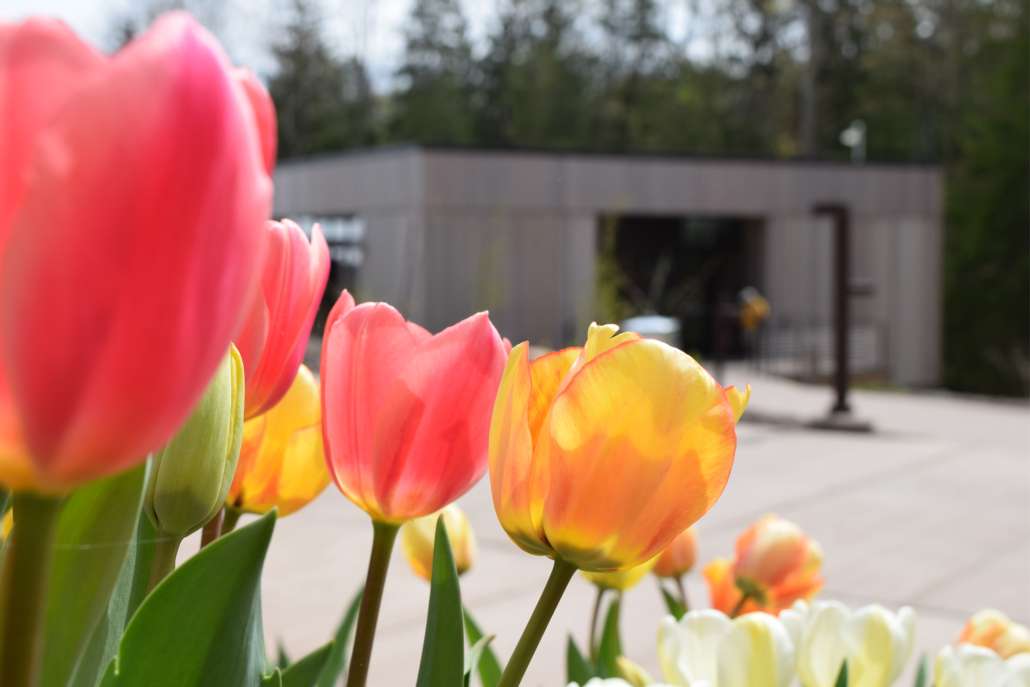 https://pittsburghbotanicgarden.org/wp-content/uploads/2023/04/Tulip-Blog-Featured-Image-scaled.jpg
1707
2560
Nate Reese
https://pittsburghbotanicgarden.org/wp-content/uploads/2020/05/pbg-logo.png
Nate Reese2023-04-19 18:10:272026-01-28 20:09:58Tulips
https://pittsburghbotanicgarden.org/wp-content/uploads/2023/04/Tulip-Blog-Featured-Image-scaled.jpg
1707
2560
Nate Reese
https://pittsburghbotanicgarden.org/wp-content/uploads/2020/05/pbg-logo.png
Nate Reese2023-04-19 18:10:272026-01-28 20:09:58Tulips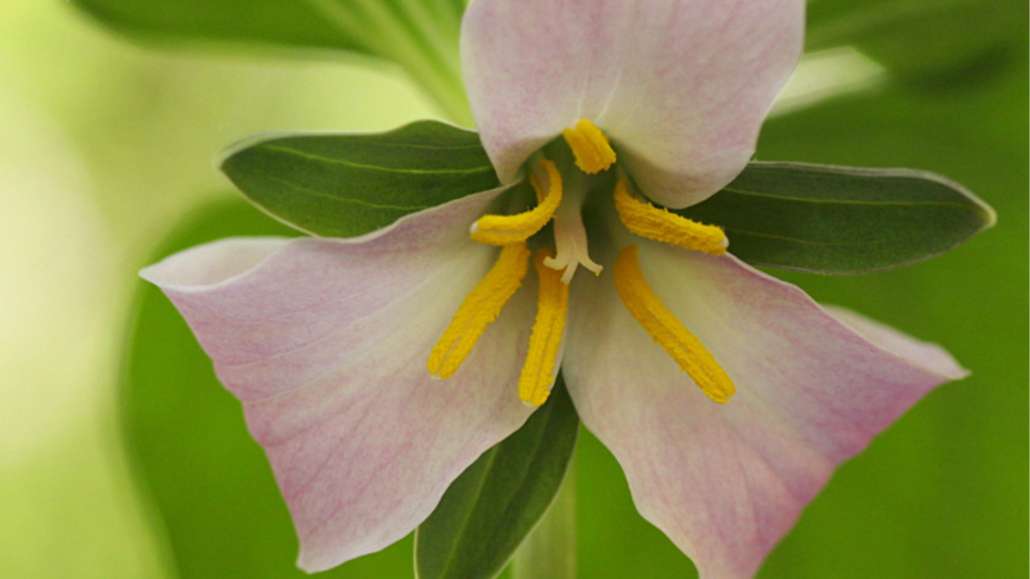 https://pittsburghbotanicgarden.org/wp-content/uploads/2023/01/BlogFeaturedImage_Trillium.jpg
1080
1920
Nate Reese
https://pittsburghbotanicgarden.org/wp-content/uploads/2020/05/pbg-logo.png
Nate Reese2023-01-26 16:28:172026-01-28 20:00:59Trillium
https://pittsburghbotanicgarden.org/wp-content/uploads/2023/01/BlogFeaturedImage_Trillium.jpg
1080
1920
Nate Reese
https://pittsburghbotanicgarden.org/wp-content/uploads/2020/05/pbg-logo.png
Nate Reese2023-01-26 16:28:172026-01-28 20:00:59Trillium https://pittsburghbotanicgarden.org/wp-content/uploads/2021/08/50509788353_830d72958e_k.jpg
1367
2048
Nate Reese
https://pittsburghbotanicgarden.org/wp-content/uploads/2020/05/pbg-logo.png
Nate Reese2021-08-05 19:11:552026-01-28 20:24:17Panicle Hydrangea ‘Rensun’ STRAWBERRY SUNDAE™ (Hydrangea paniculata)
https://pittsburghbotanicgarden.org/wp-content/uploads/2021/08/50509788353_830d72958e_k.jpg
1367
2048
Nate Reese
https://pittsburghbotanicgarden.org/wp-content/uploads/2020/05/pbg-logo.png
Nate Reese2021-08-05 19:11:552026-01-28 20:24:17Panicle Hydrangea ‘Rensun’ STRAWBERRY SUNDAE™ (Hydrangea paniculata)


 Japanese Forest Grass or Hakone Grass (Hakonechloa macra)